

For Kerala, disaster is never hypothetical. During the 2018 floods, lakhs of people moved into relief camps across the state, and thousands lost access to ongoing treatment, including medicines, health records and dialysis. India’s first COVID-19 case was reported here in January 2020. The state has also faced Nipah outbreaks, landslides and cyclones, and every Sabarimala season it welcomes lakhs of pilgrims.
The event brought together voices from healthcare, academia and disaster management to discuss how hospitals and health systems can be ready for the next crisis. Three insights stayed with us. Plans must be built to scale well beyond the numbers we expect. The real constraint in a crisis is often not where we assume it will be. And decisions about where and how patients will be cared for are best made well before the emergency begins.
This is what a trained disaster management system makes possible. You don’t need a separate plan for every disaster. What must be ready at all times are the core functions every disaster demands: command, supplies, staff and patient movement.
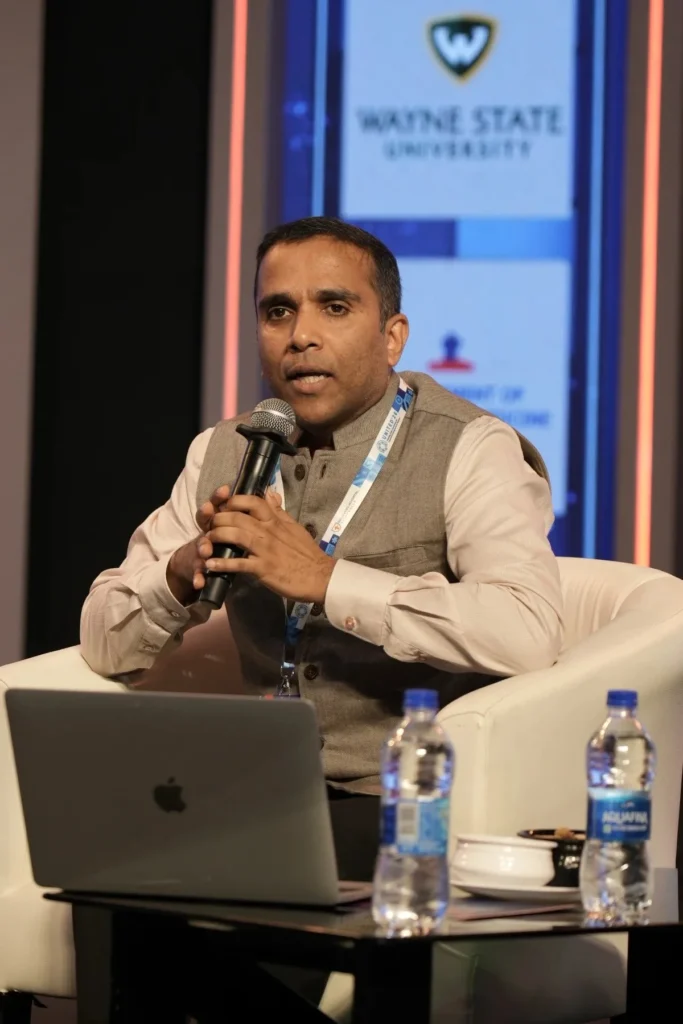
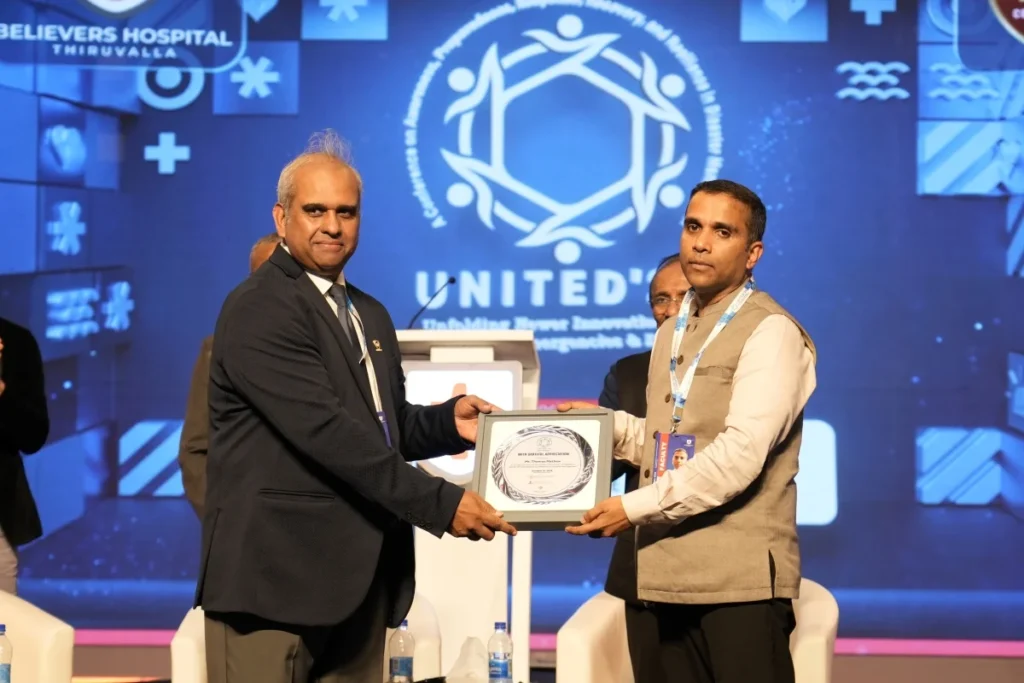
We thank Believers Church Medical College Hospital, Wayne State University and the WHO Collaborating Centre for bringing these important topics to the table. The hospital stood on the front line through many of these crises, and it was a privilege for our CMD, Thomas Mathew, to moderate Panel 1.